Eat Well, Move Naturally

Your Journey to Natural Health Starts Here

Simple, reliable advice on nutrition, healthy eating, and exercise designed for real people who want real, lasting results.

Latest Insights

Explore our latest health articles, expert insights, and practical wellness guidance to help you make informed choices, improve your lifestyle, and achieve a healthier, happier, and more balanced life.

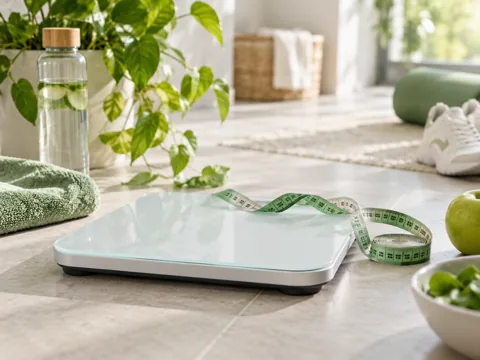
Calculate Your BMI

Body mass index (BMI) is a measure of body fat based on height and weight that applies to adult men and women. Your BMI is just one piece of the puzzle. It’s based on height and weight but doesn’t take into account your muscle mass, bone density, or body composition. Your healthcare provider will consider whether your BMI is too high or too low for you.

Featured Health Categories

Explore structured, research-informed articles across our core health and wellness categories.

Weight Management

Learn healthy diet strategies, lifestyle habits, and practical tips to maintain a balanced weight and support long-term wellness.

Mental Wellness

Explore tips for reducing stress, improving focus, and supporting emotional well-being through healthy lifestyle habits.

Digestive Health

Discover foods and habits that help improve digestion, gut health, and overall digestive system balance.

Immune System

Learn about natural foods, nutrients, and lifestyle habits that help support a strong immune system.

Healthy Recipes

Simple and nutritious recipes made with natural ingredients to support a healthy and balanced diet.

Active Living

Stay active with workout routines, daily movement tips, and fitness guidance for a healthier lifestyle.

Natural Foods

The Best Time to Eat Natural Foods for Maximum Benefit: Boost Your Health, Energy, and Wellness with Smart Eating Habits

Benefits of Garlic (Lehsun): Complete Guide to Nature’s Most Powerful Superfood

Garlic is a small but mighty bulb that has earned its place as one of the most valuable ingredients in kitchens and traditional medicine cabinets around the world. Known as “Lehsun” in Hindi and Urdu, this humble white bulb belongs to the allium family, which also includes onions and leeks. What makes garlic truly special is its incredible concentration of health-promoting compounds that have made it a cornerstone of natural healing for thousands of years.

Read More →

A glass of warm honey lemon water on a wooden table with fresh lemons and honey jar in soft morning sunlight

The Real Benefits of Honey Lemon Water

This is not a trendy wellness hack or a social media fad. The combination of honey, lemon, and warm water has roots in Ayurvedic practice, traditional Chinese medicine, and folk remedies that date back centuries. What’s interesting is that modern research is gradually confirming what people intuitively knew all along: this simple morning drink is genuinely good for your body.

At Health Fitnesses, we believe the most powerful health habits are usually the simplest ones. And this one might just be the easiest place to start.

Read More →

Top 10 superfoods for overall health including spirulina acai moringa and goji berries

Top 10 Superfoods for Overall Health: What Actually Works and Why

Think about the last time you felt genuinely good not just not sick, but actually clear-headed, energetic, and well. For a lot of people, that feeling is rare. The standard Western diet, heavy in processed food and light on micronutrients, leaves a lot of gaps.

Superfoods do not fill every gap, and no single food is a cure. But the right ones, used consistently, can noticeably shift how you feel.

Read More →

Nutrition

Essential Vitamins and Minerals Your Body Needs for Optimal Health, Maximum Energy, Strong Immunity, and Overall Wellness

HIGH-PROTEIN FOODS: BUILD MUSCLE AND BOOST YOUR HEALTH

Protein is the building block of your body. Whether you’re hitting the gym, trying to lose weight, or simply want better health, eating enough protein matters. But here’s the thing: your protein needs change throughout your life. A teenager has different nutritional needs than a 40-year-old or a senior citizen.

Read More →

Best Meal Replacement Shakes for Weight Loss

That’s something you hear often from people who’ve tried meal replacement shakes as part of a weight loss plan. Not a shortcut. Not a miracle product. Just a practical, nutritionally sensible option that fits into a real life that’s already stretched thin.


Read More →

Balanced diet plan for beginners with healthy food including fruits vegetables whole grains and protein sources arranged on a clean table

Balanced Diet Plan for Beginners

Most people don’t start thinking seriously about food until something forces them to. A doctor’s visit with a not-so-great report. A few extra kilos that won’t budge. Low energy that coffee can no longer fix. Or simply a quiet decision one morning that it’s time to do better. If that sounds familiar, you’re not alone.

Read More →

Health Conditions

Daily Nutrition Tips for Better Health, Increased Energy, Stronger Immunity, and a Happier, More Balanced Lifestyle Through Simple, Practical, and Easy-to-Follow Advice

Nipah Virus: Symptoms, Transmission, Prevention, and Global Health Risks

The world of infectious diseases continues to evolve, and with it comes the emergence of novel pathogens that challenge our healthcare systems and public health infrastructure. Among these serious threats stands Nipah virus, a name that has appeared in global health headlines multiple times since its discovery.

Read More →

Healthcare professional taking a patient’s blood pressure during a heart health checkup, highlighting cardiovascular disease prevention

Heart Health: Natural Ways to Prevent Heart Disease

Cardiovascular disease remains the leading cause of death worldwide. Coronary artery disease, heart failure, atrial fibrillation, and ischemic heart disease affect millions of families every year often striking people who believed they were too young or too healthy to worry. But here’s the encouraging truth: the vast majority.

Read More →

A relaxed woman sitting at a sunlit wooden table with a cup of herbal tea, surrounded by healthy foods like avocado, leafy greens, and nuts, with the text 'Natural Ways to Balance Hormones'

Natural Ways to Balance Hormones

There is a particular kind of exhaustion that comes with hormonal imbalance. It is not the tiredness that a good night of sleep fixes. You wake up already drained, snap at people you love, and carry a foggy heaviness through the day that no amount of coffee seems to touch. For many people, especially women navigating the demands of work, family…..

Read More →

Exercise & Fitness

Daily Nutrition Tips for Better Health, Enhanced Energy, Stronger Immunity, and Overall Well-Being Through Simple, Practical, and Easy-to-Follow Advice for a Healthier Lifestyle.

Cardio Exercises: Benefits, Types, and How to Start for Better Heart Health

Cardiovascular exercise, commonly known as cardio, is one of the most effective ways to improve overall health, increase endurance, and support long-term wellness. Whether your goal is weight management, better heart health, improved stamina, or stress reduction, cardio exercises play a central role in maintaining a healthy lifestyle.

Read More →

A young woman in athletic wear performing lunges on a yoga mat in a sunlit, modern living room. Nearby are dumbbells, a water bottle, and a wall sign that says "START NOW."

Home Workout Plan for Beginners: Start Your Fitness Journey Today

Getting into fitness isn’t always easy to start. Most people feel stuck in the beginning, even if they don’t talk about it. You might have thought about working out many times but kept putting it off because you weren’t sure where to begin. Seeing others already in shape can make it feel even harder to take that first step.

Read More →

Man doing squat workout man and woman performing chest exercises in a modern gym for weight loss training

The Best Exercises for Weight Loss (That Actually Work)

Starting a weight loss journey is not just about finding the motivation to lace up your shoes. It is about understanding what your body actually responds to, what kind of effort produces real results, and how to build a routine you can maintain for longer than two weeks.The fitness industry is flooded with conflicting advice, miracle programs……

Read More →

Essential Health Topics

Discover the most important health topics that can transform your lifestyle and well-being. From nutrition and exercise to mental health, sleep, and natural remedies, our comprehensive guides provide practical advice, expert insights.

Drink More Water

Why It Matters for Your Health

Person drinking fresh water from a glass in a bright, natural setting, promoting hydration and wellness.

Introduction

Most of us have been there it’s 3 in the afternoon, you’ve got a dull headache brewing, you feel sluggish for no obvious reason, and the last time you had a glass of water was. breakfast, maybe? Life gets busy, and drinking water is one of those things we all know we should do but somehow keep forgetting.

Here’s the thing: water isn’t just something you sip when you’re thirsty. It’s quietly working behind the scenes to keep your whole body running. And when you’re not getting enough, you feel it even if you don’t immediately connect the dots.

Why Drinking Water is So Important

Your body is roughly 60% water. That alone tells you how much it depends on staying hydrated.

Water helps carry nutrients to your cells, flush out waste, and regulate your body temperature. Without enough of it, almost every system in your body starts working harder than it needs to. Here’s what proper hydration actually does for you:

  • Energy levels: Even mild dehydration can leave you feeling tired and mentally foggy. A well-hydrated body simply functions better.
  • Digestion: Water helps break down food and keeps things moving through your digestive system. If you deal with bloating or constipation, your fluid intake might be worth looking at.
  • Skin health: Your skin is an organ too. Staying hydrated helps it look clearer and more supple no expensive moisturizer required.
  • Brain function: Your brain is about 75% water. When it’s low on fluids, your focus, memory, and mood can all take a hit.

Signs You’re Not Drinking Enough

Your body is surprisingly good at sending signals most people just don’t recognize them as thirst-related. Watch out for these common signs of dehydration:

  • Persistent fatigue with no clear cause
  • Headaches, especially in the afternoon
  • Dry mouth or lips
  • Dark yellow urine (pale yellow is the goal)
  • Dry or dull-looking skin
  • Difficulty concentrating or feeling mentally “slow”
  • Craving sweets your body sometimes confuses thirst with hunger

How Much Water Do You Actually Need?

You’ve probably heard the “8 glasses a day” rule. It’s a decent starting point, but it’s not one-size-fits-all. Your water needs depend on your size, activity level, the climate you live in, and your overall health.

A more practical guide: aim for 2 to 2.5 liters (roughly 8–10 cups) per day as a general baseline. If you’re active, pregnant, breastfeeding, or recovering from illness, you’ll need more.

One of the easiest ways to check? Your urine. Pale yellow means you’re doing well. Dark yellow or orange means it’s time to drink up. It’s not glamorous advice, but it works.

Simple Tips to Drink More Water

Knowing you should drink more and actually doing it are two different things. Here are some small changes that genuinely help:

  • Start your morning with water. Before coffee, before your phone keep a glass by your bed and drink it first thing. It sets a good tone for the day.
  • Carry a water bottle everywhere. This single habit makes more difference than almost anything else. If water is in your hand, you’ll drink it.
  • Set gentle reminders. A phone alarm every couple of hours works surprisingly well, especially if you tend to get absorbed in work.
  • Add flavor if plain water bores you. A slice of lemon, cucumber, or a few mint leaves can make it feel like more of a treat without adding sugar.
  • Eat more water-rich foods. Cucumbers, watermelon, oranges, and leafy greens all contribute to your daily hydration. They count.
  • Drink a glass before each meal. It helps with digestion and often reduces overeating too.

The Best Times to Drink Water

Timing matters more than most people realize. A few key moments to keep in mind:

  • Morning: Rehydrate after a night of sleep your body loses water even while you rest.
  • Before meals: Aids digestion and helps you avoid confusing thirst with hunger.
  • After exercise: Replace what you’ve sweated out, even after light activity.
  • Mid-afternoon: This is when energy dips are common. A glass of water often works better than reaching for caffeine.

Conclusion

You don’t need a detox program or a complicated wellness routine to feel better. Sometimes, the most effective thing you can do is the most obvious one drink more water.

Start small. Carry a bottle. Set a reminder. Choose water before you choose anything else. These tiny habits, done consistently, add up more than you’d expect.

Your body does a remarkable job taking care of you. The least you can do is keep it well-hydrated.

A practical health guide for everyday readers


Read More Blogs

How Fresh, Whole Foods Nourish Your Body

A colorful assortment of fresh fruits and vegetables on a clean wooden table in soft natural light.

Introduction

Be honest how many times this week have you grabbed a packet of chips, a frozen meal, or a sugary snack because it was just easier? Most of us have been there. Between work, family, and the general busyness of life, cooking from scratch can feel like a luxury.

But here’s the thing: the food you eat every day is either quietly working for you or slowly working against you. Natural, whole foods give your body exactly what it needs to thrive. And the good news is, getting more of them into your life doesn’t have to be complicated.

Benefits of Natural Foods

When you eat food close to its natural state an apple instead of apple-flavored candy, brown rice instead of white bread your body responds differently. Real food is packed with fiber, vitamins, minerals, and antioxidants that processed foods simply can’t replicate.

Here’s what happens when you start eating more whole, natural foods:

  • Energy levels improve: Natural foods fuel your body steadily, without the sugar crashes that come with processed snacks.
  • Digestion gets easier: Fiber from fruits, vegetables, and whole grains keeps your gut healthy and things moving smoothly.
  • Immunity gets stronger: Vitamins C, E, zinc, and other nutrients found in whole foods help your immune system do its job.
  • Skin looks healthier: Antioxidants from fresh produce help fight inflammation and give your skin a natural glow.
  • Weight becomes easier to manage: Whole foods are naturally more filling, so you eat less without feeling deprived.

Common Natural Foods to Include

You don’t need to overhaul your entire kitchen overnight. Start by adding more of these nutrient-rich staples to your meals:

  • Fruits: Bananas, berries, mangoes, oranges, apples eat them fresh, not as juice
  • Vegetables: Spinach, broccoli, carrots, sweet potatoes, tomatoes
  • Whole grains: Brown rice, oats, quinoa, whole wheat bread
  • Nuts & seeds: Almonds, walnuts, flaxseeds, chia seeds great for snacking
  • Legumes: Lentils, chickpeas, black beans affordable and full of protein

These aren’t exotic superfoods. Most of them are inexpensive, widely available, and easy to prepare.

Tips to Incorporate Natural Foods Daily

Small swaps beat big overhauls every time. Here’s how to start:

  • Swap your snack: Instead of chips or cookies, keep a bowl of fruit or a handful of nuts on your desk.
  • Build meals around vegetables: Instead of vegetables as a side, make them the star of your plate. Stir-fries, soups, and salads are quick and satisfying.
  • Try meal prepping once a week: Cook a big batch of grains and roast some vegetables on Sunday. You’ll have easy, healthy meals ready for days.
  • Read ingredient labels: If you can’t pronounce most of what’s listed, that’s a sign to put it back.
  • Add fruit to breakfast: Toss berries into oatmeal or slice a banana into yogurt it takes 30 seconds and makes a big difference.

Practical Lifestyle Advice

You don’t need a perfect diet. You need a consistent one. Small, daily choices compound over time in ways that really add up. Eating one more piece of fruit a day, swapping white rice for brown once a week, or drinking water instead of soda none of these feel dramatic, but over months and years, they reshape your health.

Also, don’t aim for all-or-nothing. If you have pizza for dinner, it doesn’t undo a week of good eating. Just come back to your natural foods the next day.

Conclusion

Eating more natural, whole foods isn’t about following a strict diet or giving up everything you love. It’s about giving your body the raw materials it needs to feel good, stay energized, and fight off illness.

Start with one small swap today. Add a vegetable to your next meal. Grab an apple instead of a biscuit. Over time, those small choices become habits and habits become a healthier, happier you.

Your body knows how to heal and thrive. Give it the right fuel, and it will.

A practical health guide for everyday readers


Read More Blogs

Practical Tips for Everyday Healthy Eating

A person preparing a balanced meal with fresh vegetables and grains in a bright kitchen.

Introduction

Nutrition gets a lot of attention online, but most of it is confusing, contradictory, or just plain overwhelming. One day carbs are the enemy. The next, fat is the problem. No wonder so many people throw up their hands and just eat whatever’s convenient.

The truth is, healthy eating doesn’t need to be complicated. Most of what your body needs comes down to a handful of consistent, practical habits  not a perfect diet plan, not an expensive supplement stack, just real, balanced food eaten mindfully.

Core Principles of Healthy Eating

Before worrying about specific foods, it helps to understand a few basic principles that make healthy eating sustainable:

  • Eat mostly whole foods: The less processed something is, the better it tends to be for your body. Aim for food with short ingredient lists.
  • Balance your plate: A good meal has protein, healthy fats, and complex carbohydrates. Together, they keep you full and your energy stable.
  • Don’t skip meals: Skipping meals leads to overeating later. Eating regularly keeps your metabolism steady and prevents energy crashes.
  • Hydration counts: Many people mistake thirst for hunger. Drink water consistently throughout the day.
  • Eat slowly: Your brain needs about 20 minutes to register fullness. Eating slower naturally prevents overeating.

Common Nutrition Mistakes to Avoid

Even well-intentioned eaters fall into these traps:

  • Cutting out entire food groups without reason your body needs carbs, fats, and protein
  • Over-relying on ‘health’ labels — ‘low fat’ or ‘organic’ doesn’t always mean nutritious
  • Drinking excess calories through juice, soda, or flavored coffee
  • Eating at a desk or in front of a screen distracted eating leads to eating more
  • Expecting perfection one bad meal doesn’t ruin your progress

Easy Tips for Balanced Meals

You don’t need a nutritionist to build a balanced plate. These simple guidelines work:

  • Half your plate: vegetables and fruits. This single habit alone improves most people’s nutrition dramatically.
  • A quarter: lean protein. Chicken, fish, eggs, lentils, or beans. Protein keeps you full and supports muscle health.
  • A quarter: complex carbs. Brown rice, whole wheat, oats, or sweet potato. These fuel your body without spiking your blood sugar.
  • Add a healthy fat: A drizzle of olive oil, a few slices of avocado, or a small handful of nuts rounds out the meal.
  • Cook at home more often: Restaurant meals are usually higher in salt, sugar, and unhealthy fats than home-cooked ones.

Meal Planning & Portion Control

Planning ahead is the single most effective nutrition tool most people aren’t using. Spend 20 minutes on Sunday deciding what you’ll eat for the week. It doesn’t have to be elaborate just knowing what dinner will be prevents the last-minute takeout decision.

For portions, use visual cues: your fist is roughly one cup, your palm is a serving of protein, and your thumb is about a tablespoon. No scales, no measuring cups needed.

Conclusion & Motivation

Good nutrition is a long game, not a quick fix. The habits you build today even small ones will shape how you feel five and ten years from now.

Don’t try to change everything at once. Pick one thing from this guide and focus on that for two weeks. Then add another. Steady progress beats perfect plans that fall apart.

Eat a little better today than you did yesterday. That’s all it takes.

A practical health guide for everyday readers


Read More Blogs

Simple Habits to Boost Mood & Reduce Stress

mental_wellness A women Brush a teeth in front of mirror

Introduction

Stress has become so normal that most people don’t even recognize it anymore. The low-grade tension of a busy schedule, the background anxiety of too many to-dos, the mental exhaustion of being always-on it’s just ‘how life is now.’

But that constant pressure takes a real toll. On your sleep, your relationships, your physical health, and your ability to simply enjoy your life. The good news is that mental wellness doesn’t require therapy five days a week or a yoga retreat. It starts with small, consistent habits that genuinely move the needle.

Benefits of Mental Wellness Practices

When you make mental health a priority even in small ways the effects ripple across your entire life:

  • Reduced stress hormones: Practices like deep breathing and mindfulness lower cortisol, your primary stress hormone, which affects everything from sleep to digestion to immune function.
  • Better emotional regulation: Regular mental wellness habits help you respond to problems instead of reacting to them a huge difference in relationships and at work.
  • Improved focus: A calmer mind is a sharper mind. People who manage stress well tend to be more productive, not less.
  • Better sleep: Anxiety is one of the leading causes of insomnia. Calming your nervous system before bed makes falling and staying asleep much easier.
  • Stronger physical health: Chronic stress is linked to heart disease, weight gain, and weakened immunity. Managing it protects your body, not just your mind.

Simple Daily Habits That Help

You don’t need to dedicate hours to mental wellness. Here are high-impact habits that take minutes:

  • Morning quiet time even 5 minutes of silence before the day starts creates mental space
  • A short walk outside nature and movement together are remarkably effective for mood
  • Writing down three things you’re grateful for each night it shifts your brain’s focus over time
  • Limiting news and social media, especially first thing in the morning and before bed
  • Calling or messaging someone you care about connection is one of the most powerful mental health tools

Mindfulness, Meditation & Relaxation

Mindfulness doesn’t mean sitting still for an hour in perfect silence. It simply means being present in what you’re doing, rather than running through your mental to-do list.

Here are some practical approaches that work even for busy people:

  • Box breathing: Inhale for 4 counts, hold for 4, exhale for 4, hold for 4. Two minutes of this calms your nervous system noticeably.
  • Body scan: Lie down and slowly bring your attention from your feet to your head, noticing any tension. It’s a quick way to release physical stress you didn’t know you were holding.
  • Mindful eating: Put your phone down during meals. Eating without distraction is one of the simplest forms of mindfulness and it improves digestion too.
  • Guided meditation apps: Apps like Headspace or Calm offer short, guided sessions that are perfect for beginners.
  • Journaling: Writing about what’s bothering you without censoring yourself often reduces its psychological weight significantly.

Conclusion & Motivation

Your mental health is not separate from your physical health. They are deeply intertwined, and taking care of one supports the other.

You don’t have to have it all figured out. You just have to start with one small habit, done consistently. A 5-minute walk. Three lines in a journal. One deep breath before a stressful call.

A calmer mind leads to a healthier body, better relationships, and a more meaningful life.

A practical health guide for everyday readers


Read More Blogs

10 Common Teeth Brushing Mistakes That Damage Your Oral Health

mental_wellness A women Brush a teeth in front of mirror

You wake up, stumble into the bathroom, and brush your teeth. Same routine you’ve been doing for years. Two minutes, maybe a little longer if you’re paying attention. You feel clean, your breath is fresh, and you move on with your day. Seems fine, right?

Here’s the thing though most of us have been brushing wrong the entire time without realizing it. We think we’ve got it figured out because we brush twice a day and the habit feels automatic. But those small, seemingly harmless mistakes you’re making every morning and night? They’re quietly adding up, damaging your teeth and gums in ways you won’t notice until it’s too late.

The frustrating part is that fixing these mistakes doesn’t require expensive treatments or complicated routines. You just need to know what you’re doing wrong.

Why Small Brushing Habits Matter More Than You Think

Your mouth is one of those places where small, repeated actions have huge consequences. That’s because your teeth aren’t like your kitchen counters you can’t just clean them and move on. Every single day, bacteria in your mouth are working to break down your enamel and attack your gums. Your brushing routine is literally your first defense against that.

When your technique is off or your timing is wrong, you’re not just missing some plaque. You’re potentially speeding up the damage that bacteria would do anyway. Over months and years, these mistakes compound. You end up with sensitivity, cavities, or gum disease that could have been entirely preventable.

The good news? Once you understand what’s going wrong, the fixes are simple.

The Mistakes Most People Don’t Realize They’re Making

Brushing too aggressively is probably the most common mistake, and it’s one where people feel like they’re doing something right. You’re putting muscle into it, you’re being thorough except you’re actually wearing away your enamel. Your teeth aren’t meant to be scrubbed like dirty dishes. When you brush hard, you’re not cleaning better. You’re just damaging the protective layer covering your teeth and irritating your gums in the process.

The fix is genuinely simple: use a soft-bristled brush and apply about as much pressure as you’d use to write with a pencil. That’s it. If you’re using an electric toothbrush, many of them have a pressure sensor that’ll actually alert you if you’re pushing too hard. It takes maybe a week to break the aggressive habit, but your gums will thank you immediately.

Rushing through the whole process is another big one. You’ve probably heard the two-minute recommendation a hundred times, but most people brush for less than a minute. You finish breakfast, brush your teeth in 30 seconds, and think you’ve done your job. But plaque doesn’t just disappear from quick contact. It needs time to be physically removed from every surface of your teeth.

When you’re rushing, you’re skipping surfaces. Usually it’s the backs of your teeth or the sides where your cheeks meet your molars places you can’t see in the mirror, so they feel less important. They’re not. Those hidden surfaces get cavities just as easily as your front teeth.

Set a timer or use a toothbrush with a built-in timer. Two minutes isn’t asking much from you. Maybe use that time to actually focus on brushing instead of scrolling through your phone.

Ignoring your gum line is something almost nobody does on purpose. It’s just that most people focus on the visible part of their tooth and kind of forget the spot where the tooth meets the gum. That junction? That’s exactly where gum disease starts. Plaque sneaks in there, hardens into tartar, and before you know it, you’ve got problems.

You need to angle your toothbrush at about 45 degrees toward the gum line and gently brush that area. Don’t skip it just because it feels less satisfying than brushing the front of your teeth. Spend a few seconds on each tooth right at that gum line. This is honestly one of the easiest mistakes to fix and one of the most impactful.

Using the wrong brushing technique is something a lot of us learned incorrectly as kids and never questioned. That aggressive side-to-side scrubbing motion you probably use? It’s actually not the most effective way to clean your teeth, and it can damage your gums. Your gums are delicate tissues that don’t respond well to that harsh motion.

Instead, use gentle circular motions or short strokes at that 45-degree angle. For your upper teeth, you’re brushing kind of downward and away from your gum line. For lower teeth, upward and away. Your chewing surfaces get a gentle back-and-forth motion. It doesn’t feel as satisfying as aggressive scrubbing, but it’s actually cleaning better while being gentler on your mouth.

Forgetting about your tongue might seem like a small thing, but it’s not. Your tongue is basically a bacteria magnet. All that plaque and buildup that you’re avoiding on your teeth? It’s probably hanging out on your tongue too. After you brush your teeth, spend literally ten seconds brushing your tongue. Gentle strokes from back to front. This removes bacteria and helps with bad breath too.

Not replacing your toothbrush often enough is one of those habits that sneaks up on you. You’ve been using the same toothbrush for six months, the bristles are frayed and bent, but it still technically works so you keep using it. Here’s the problem: frayed bristles aren’t effective at cleaning. They’re more likely to irritate your gums. Plus, your toothbrush is basically a sponge for bacteria. The older it gets, the less hygienic it is.

Replace your toothbrush every three to four months. If the bristles look obviously damaged before then, replace it sooner. This is a super cheap way to improve your oral hygiene and prevent cavities.

Brushing right after acidic foods or drinks might sound like the responsible thing to do. You finish your coffee or orange juice, and you want to clean your mouth immediately. But here’s the thing: acidic foods and drinks temporarily soften your enamel. When you brush right after, you’re literally scrubbing away softened enamel. Over time, this erodes your teeth and makes them more sensitive.

Wait at least 30 minutes after eating or drinking something acidic before brushing. Rinse your mouth with water in the meantime if it bothers you. This is a weird exception to the “clean immediately” instinct, but your teeth will be stronger for it.

Using toothpaste without fluoride because you’ve read scary things online is taking a risk. Fluoride is proven to strengthen your enamel and prevent cavities. If you’re avoiding it based on internet rumors, you’re actually making your teeth less healthy. Talk to your dentist if you have genuine concerns, but for most people, fluoride toothpaste is the smart choice.

Skipping floss because brushing alone feels like enough is leaving about 40 percent of your teeth uncleaned. Your toothbrush can’t reach between your teeth or under your gum line. That’s where a lot of problems start. Daily flossing takes about two minutes and makes a huge difference in your actual oral health.

Not brushing before bed is surprisingly common. People brush in the morning and then skip the evening routine. But nighttime is when bacteria has the longest window to work undisturbed. Brushing right before sleep protects your teeth for those eight-plus hours. This is probably the more important of your two daily brushings.

Brushing in the wrong order or missing spots happens when you’re on autopilot. You brush for two minutes but you’re thinking about something else entirely. Maybe you always brush your front teeth more thoroughly and give your back molars a quick pass. Maybe you forget the inside surfaces of your teeth completely.

Actually pay attention for once. Start with your outer surfaces, move to inner surfaces, then your chewing surfaces, then your tongue. This ensures you’re hitting everything consistently.

Quick Reference: Common Mistakes and Solutions

Mistake

What Happens

Better Alternative

Brushing too hard

Enamel erosion, gum recession

Use light pressure with gentle circular motions

Skipping the gum line

Gum disease, plaque buildup

Angle brush 45 degrees at gum line, brush gently

Rushing through brushing

Missed spots, incomplete cleaning

Brush for full 2 minutes, focus on each area

Side-to-side scrubbing

Gum damage, ineffective cleaning

Use circular motions or short strokes at 45 degrees

Using an old toothbrush

Frayed bristles, bacterial growth

Replace toothbrush every 3-4 months

Brushing after acidic foods

Enamel damage, tooth sensitivity

Wait 30 minutes after acidic foods to brush

Ignoring your tongue

Bacteria buildup, bad breath

Gently brush tongue after brushing teeth

Forgetting evening brush

Overnight bacteria growth

Brush right before bed as part of routine

Small Changes, Real Results

You don’t need to revolutionize your entire routine. Start with one or two changes this week. Maybe you focus on using lighter pressure and hitting the gum line properly. Next week, you extend your brushing time to the full two minutes. The following week, you actually commit to flossing.

These aren’t complicated changes. They’re just small adjustments to habits you’re already doing. Resources like Health Fitnesses offer practical guidance on building these kinds of healthy habits into your daily life, and honestly, your dentist is always worth asking about your specific brushing technique.

The reason I’m telling you this is because I’ve watched people deal with dental problems that were completely preventable. Crowns, root canals, extractions these things cost money, take time, and hurt. They also come from years of small mistakes adding up. The teeth brushing mistakes you’re making right now might not cause problems for a few years, but they’re setting you up for it.

Make It Part of Your Routine

Here’s the reality: brushing your teeth correctly takes roughly the same amount of time as brushing incorrectly. You’re not adding extra work to your day. You’re just doing what you’re already doing, but better.

The transition takes maybe a week or two. After that, the correct technique becomes automatic, just like the incorrect one was. Your mouth will feel healthier. Your gums will be less irritated. You’ll have fewer cavities. And honestly? The confidence of knowing you’re actually protecting your teeth instead of just going through the motions is worth something too.

Start tomorrow. Pick one mistake you recognize in yourself maybe you know you brush too hard, or maybe you skip flossing religiously. Just pick one. Focus on fixing that one thing for a week. Then add the next change.

Your future self, about five years from now, will be really glad you decided to take this seriously. Trust me on that.

Who WE ARE

Welcome to Health Fitneses a place built for real people who want to live healthier, feel better, and make sense of all the noise around nutrition and wellness.
We’re not here to sell you a magic solution or push the latest diet trend. We’re here because we genuinely believe that good health doesn’t have to be complicated. With the right knowledge and a few consistent habits, anyone anywhere in the world can start living better, naturally.

Our Mission
Our mission is simple to give people clear, honest, and practical guidance on food, nutrition, and fitness without the confusion or the jargon.
We dig into the real benefits of natural foods, how to prepare them, when to eat them, and how they can support your body through different health conditions. Everything we share is designed to be actionable advice you can actually use in your daily life, starting today.

🎓 Academic Thesis | Research Support

Professional support is available for university students working on thesis, dissertation, and research projects across different academic fields.

Services include:

  • Thesis structuring and chapter organization
  • Research proposal and synopsis development
  • Literature review guidance
  • Editing and proofreading
  • Formatting and referencing (APA, MLA, Harvard)
  • Health and medical research support

All work is professionally written, well-structured, and human-refined to maintain academic clarity and quality standards.

Support is provided to strengthen academic research while maintaining originality and academic responsibility.

Our Global Impact

500+

Articles Published

12

Categories Covered

2M+

Readers Worldwide

Learn | Improve | Live Healthier

Explore our comprehensive library of research-inspired health articles and educational resources.

Frequently Asked Health Questions

What is a healthy and sustainable way to lose weight?

Focus on balanced meals, regular physical activity, proper sleep, and long-term lifestyle consistency.

Yoga improves flexibility, strength, breathing, and helps calm the mind while reducing daily stress.

Yes, chronic stress can impact sleep, digestion, hormones, and weaken overall physical and mental well-being.

Most adults need 7–9 hours of quality sleep to support energy, focus, and overall health.

A balanced diet, regular exercise, good sleep, and stress management help strengthen immunity.

Consistent sleep, sunlight exposure, nutritious foods, and an active lifestyle support hormonal health.

Yes, even 30 minutes of moderate movement daily improves heart health, mood, and metabolism.

Scroll to Top